About Dr. Doucette
HEOR Scientist | Research Strategist | Methodological Innovator

Mitchell L. Doucette, PhD, MS, is a nationally recognized epidemiologist and research leader whose work sits at the intersection of Epidemiology, Health Economics and Outcomes Research (HEOR), and real-world evidence. With over a decade of experience spanning academia and the pharmaceutical industry, Dr. Doucette applies advanced causal inference methodologies to inform clinical, regulatory, and commercial decision-making.
Dr. Doucette currently serves as a Senior Advisor, Health Economics and Outcomes Research (HEOR) Scientist at Eli Lilly and Company, where he leads the development and application of real-world evidence strategies to support value demonstration, payer engagement, and clinical decision-making. In this role, he designs and executes observational and economic studies, including cost-effectiveness and outcomes research, and partners cross-functionally with clinical, access, and commercial teams to translate evidence into actionable insights. His work focuses on integrating patient-reported outcomes, real-world data, and advanced analytic methods to inform product strategy and healthcare decision-making in a rapidly evolving evidence landscape.
Prior to joining Lilly, Dr. Doucette served as Senior Director of Health Economics and Outcomes Research at Leafwell, a healthcare technology company. In this role, he led the design and execution of observational research using patient-reported and administrative data to evaluate treatment outcomes, safety, and healthcare utilization. He collaborated across product, clinical, and commercial teams to generate evidence supporting market positioning and access strategies, while building scalable research infrastructure and contributing to the company’s broader evidence generation strategy.
Before transitioning to industry, Dr. Doucette served as Director of Research Methods and Assistant Scientist at the Johns Hopkins Bloomberg School of Public Health, where he developed award-winning methodologies to evaluate the impact of health interventions and public policy. His novel statistical estimator, published in the American Journal of Epidemiology, has been cited by leading academics and policymakers, including in a U.S. Supreme Court decision.
Dr. Doucette is a two-time recipient of “Best Paper of the Year” awards, has secured over $6.5 million in competitive research funding, and has authored more than 35 peer-reviewed publications. He is known for translating complex research into actionable insights, advising both C-suite executives and academic collaborators on evidence generation that drives strategic outcomes.
He received his PhD from the Johns Hopkins Bloomberg School of Public Health in 2018 with a focus on Health Policy and Management. He received his MS and BS from the University of Massachusetts Amherst.
Core Expertise
Causal Inference Methods
TMLE, IPW, G-computation, AIPW, Marginal Structural Models, Synthetic Control Models(Forcasting)
Real-World Evidence & HEOR
Claims, EHR, PROs, Cost-effectiveness analysis, ICERS, Safety monitoring, Payer strategy
Study Design & Surveys
Prospective and Retrospective cohorts, Case-control, Descriptive and analytic epidemiology, Survey creation and validation
Biostatistics & Machine Learning
GLMs, LASSO, CART, Mixed models, GEE, Model selection
Tools & Platforms
R, Stata, SQL, GitHub, Metabase, R Markdown, Automation
Communication & Impact
C-Suite briefings, Academic Publications, Media, SCOTUS citations, Strategy consulting
Projects & Impact
Reducing Healthcare Utilization through Medical Cannabis Use
Led several retrospective cohort studies using inverse probability weighting with regression adjustment (IPWRA) and targeted maximum likelihood estimation (TMLE) with SuperLearner to evaluate the impact of medical cannabis certification on healthcare utilization among PTSD and chronic pain patients. Leveraged real-world EHR and survey data from over 8,000 patients. Findings demonstrated sustained reductions in urgent care and emergency department visits, informing clinical guidance and benefit design strategies for state-level policymakers and payers.
Keywords: Causal inference, RWE, IPWRA, EHR, TMLE, payer strategy
Supreme Court–Cited Estimator for Policy Evaluation
Developed a novel estimator that combines synthetic control and meta-analytic weighting to evaluate the population-level impact of handgun purchaser licensing laws. Published in the American Journal of Epidemiology, the method was later cited in a U.S. Supreme Court amicus brief (New York State Rifle & Pistol Assoc. v. Bruen, No. 20-843, 2022), helping shape the national firearms policy dialogue. The project showcased the utility of advanced causal methods in high-stakes legal and policy settings.
Keywords: Synthetic control, meta-regression, public policy, firearms, SCOTUS, methods innovation
Operationalizing Health Economics in a Telehealth Research Platform
Designed and implemented a real-world HEOR analytics pipeline within a national telehealth platform, integrating claims, patient-reported outcomes, and EHR data to evaluate safety, utilization, and value. Supported strategic objectives including product development, regulatory engagement, and commercialization strategy. Resulted in the platform’s first HEOR-driven payer clients.
Keywords: HEOR, real-world data, pipeline automation, value demonstration, cross-functional strategy
Selected Publications
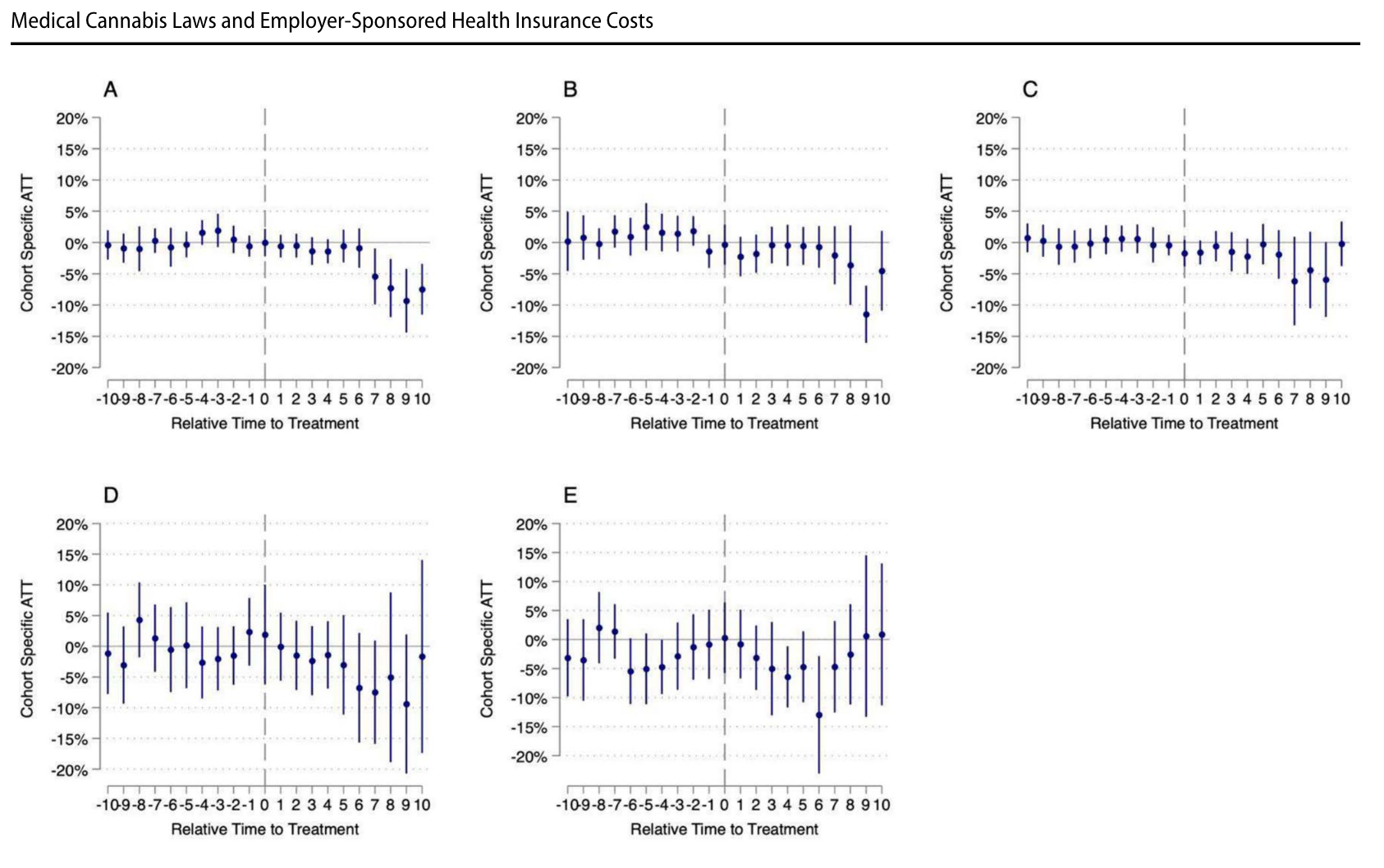
Novel Difference-in-Difference Application
Doucette ML, Hemraj D, Fisher E, Macfarlan DL. Measuring the Impact of Medical Cannabis Law Adoption on Employer-Sponsored Health Insurance Costs: A Difference-in-Difference Analysis, 2003–2022. Appl Health Econ Health Policy. 2024.
https://doi.org/10.1007/s40258-024-00913-0
Cost Effectivness Analysis
Doucette ML, Hemraj D, Macfarlan DL, Chin J, Fisher E. The Cost Effectiveness of Adjunctive Medical Cannabis Therapy in PTSD. Clin Drug Investig. 2025.
https://doi.org/10.1007/s40261-025-01424-z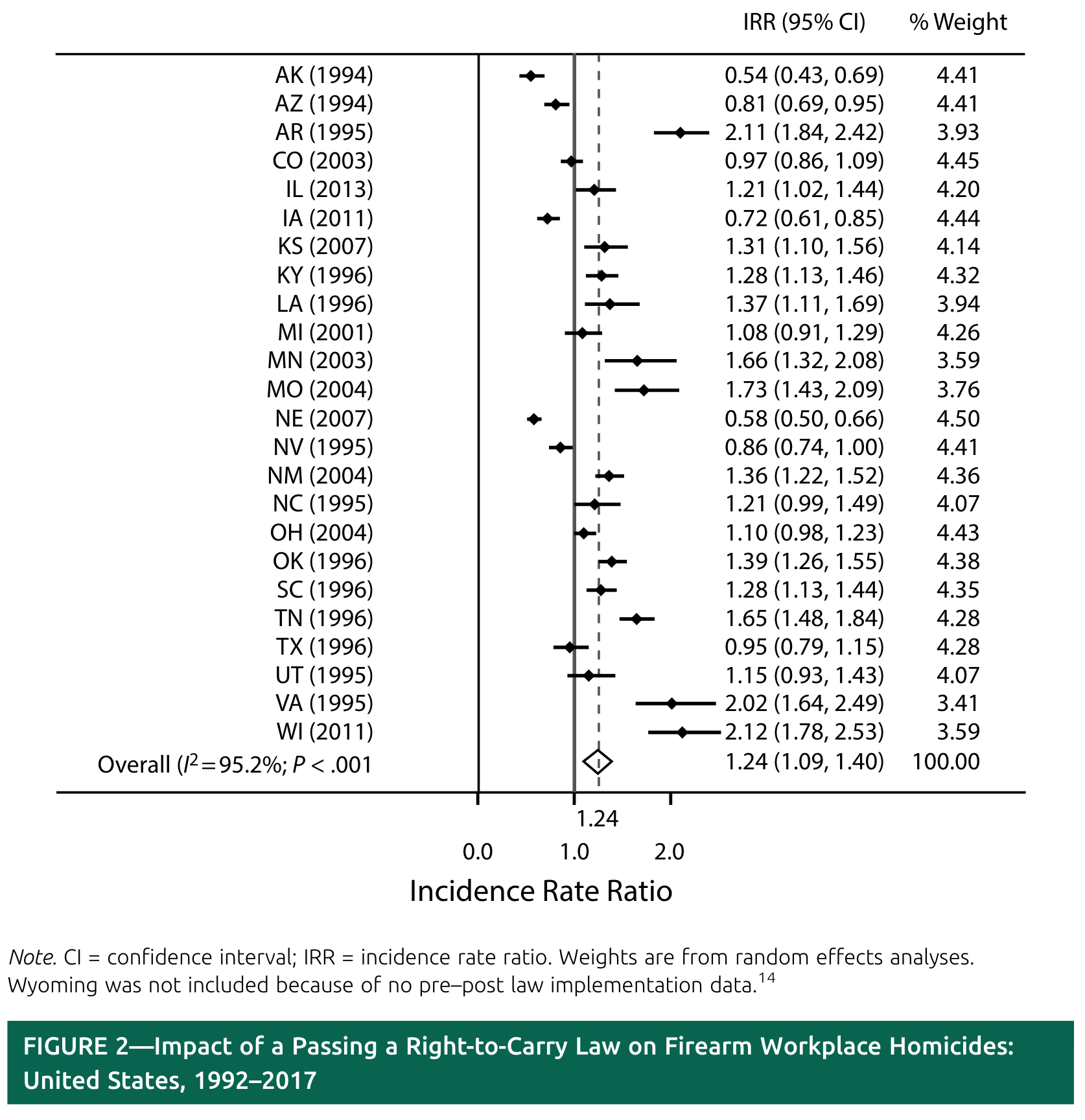
Causal Inference Methods
Doucette ML, Crifasi CK, Frattaroli S. Right-to-Carry Laws and Firearm Workplace Homicides: A Longitudinal Analysis (1992–2017). Am J Public Health. 2019;109(12):1747–53.
https://doi.org/10.2105/AJPH.2019.305307
Real-world Data Analysis
Doucette ML, Macfarlan DL, Kasabuski M, Chin J, Fisher E. Impact of Medical Cannabis Treatment on Healthcare Utilization in Patients with Post-traumatic Stress Disorder: A Retrospective Cohort Study. medRxiv. 2024.
https://doi.org/10.1101/2024.11.25.24317892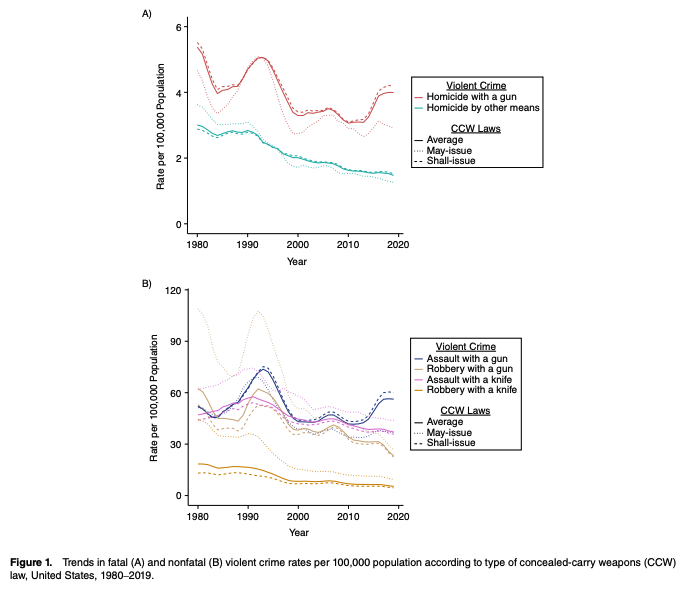
Advanced Epidemiological Knowledge
Doucette ML, McCourt AD, Crifasi CK, Webster DW. Impact of Changes to Concealed Carry Weapons Laws on Fatal and Nonfatal Violent Crime, 1980–2019. Am J Epidemiol. 2022.
https://doi.org/10.1093/aje/kwac160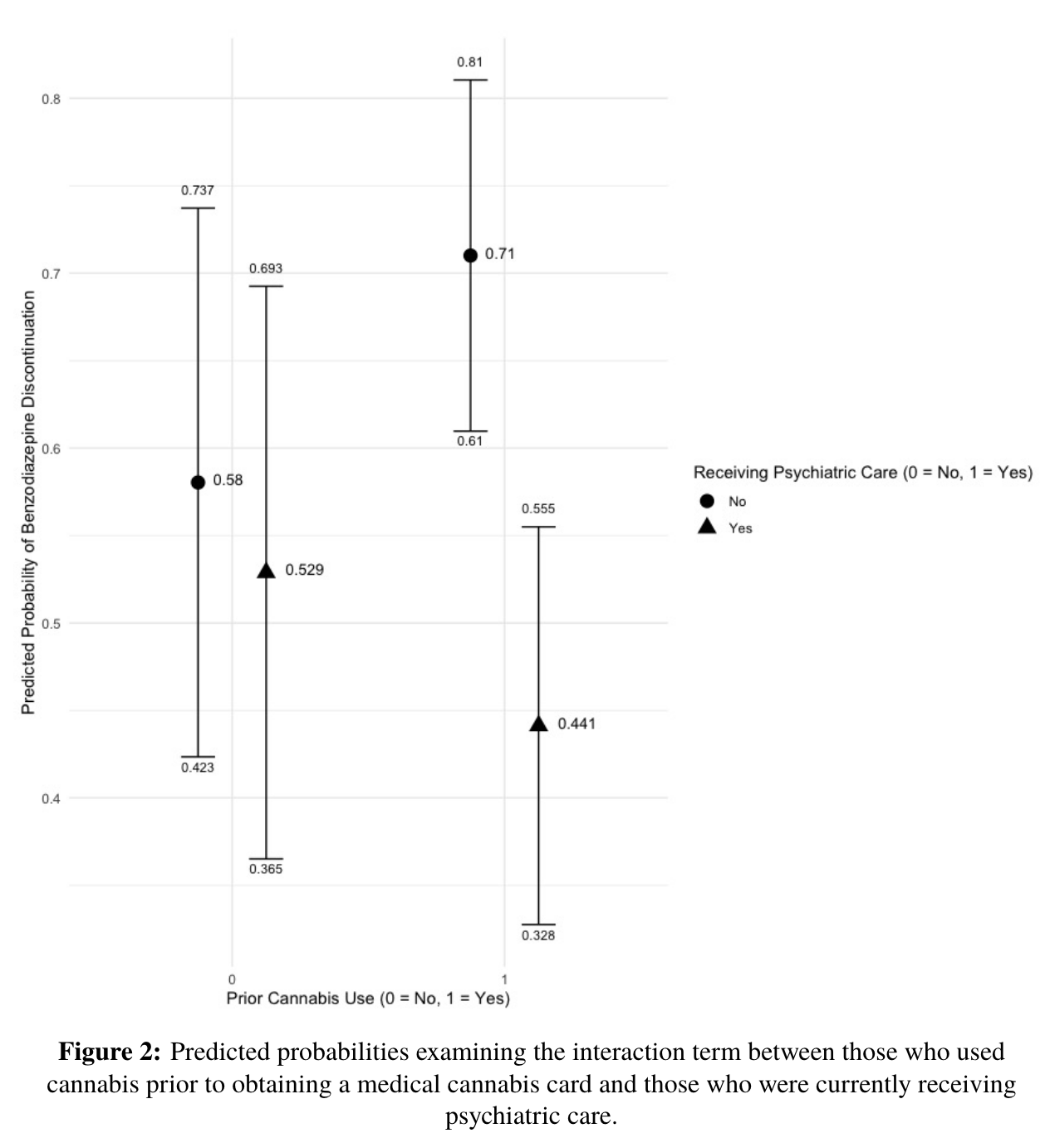
Machine learning Application
Doucette ML, Kasabuski M, Fisher E, Chin J, Bruce D, Kitsantas P. Identifying Predictors of Benzodiazepine Discontinuation in Medical Cannabis Patients with Post-traumatic Stress Disorder Using a Machine Learning Approach; medRxiv. 2025
https://doi.org/10.1101/2025.03.05.25323416